
Illustrative customer story · Public aquarium
Wonder rewards a closer look.
An illustrative public aquarium uses a lilac octopus guide and whimsical anime to follow small discoveries, keeper conversations and a memorable sketch.
Illustrative sample — not a customer case study or endorsement.

Sample business owner
Director · Public aquarium
- Audience
- Curious aquarium visitors
- Storytelling goal
- Encourage observation and respectful curiosity
- Illustrative placements
- Website and social feed examples
01 · The motivation
Why tell this story?
Visitors may arrive for a spectacular view and remember a tiny fish instead. The story continues when they meet a keeper or try to sketch what caught their eye.
An exhibit photograph cannot capture every moment of noticing. The imaginary guide draws attention to those moments while visitors remain outside the habitats.
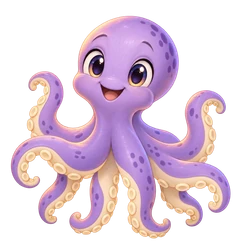
Meet Opal
Opal is a lilac octopus with cream undersides and curious eyes, an observant guide who finds wonder in small details.
Role: Curious aquarium guide
Voice: Wonder-filled, respectful, observant
02 · Themes and stories
Small moments, different stories.
Three more illustrative examples of the stories this business could tell. Comics can use dialogue, visual action, or both.
In the viewing tunnel
The small attraction
Let a little discovery compete with the big spectacle.
At a keeper talk
Behind the clipboard
Make the people caring for exhibits part of the story.
At the exit
The best souvenir
Carry an observation home without taking anything from a habitat.
03 · The creative process
From an idea to a story.
An illustrative workflow for “The small attraction”. These images are generated samples, not exports from a customer workspace.
Choose the moment
Let a little discovery compete with the big spectacle. Start with the audience, brand guidance, and one clear idea.
Shape and review
Review the draft artwork and story. Request refinements before approving the comic; approval locks that version.
Prepare and share
When the asset pack is ready, download and check the images. Publish them yourself using your chosen channel or publishing tool.
04 · A different canvas
One story.
Room to adapt.
“The small attraction”, explored in landscape and 4:5 portrait. These are illustrative adaptations, not evidence of a published post.
A portrait adaptation can change details. Review the story and artwork in every format before sharing.
05 · A different approach
What could change?
Illustrative workflow comparison — not measured customer results.
Before: the starting challenge
Show an impressive exhibit without the visitor discovery inside the experience.
After: the proposed approach
Give the visitor something to notice, ask about and remember in three different settings.
No customer metrics or time-to-traction claims are available for this fictional scenario.
An illustrative reflection
“We would like the guide to reward curiosity. A tiny fish, a keeper conversation and an imperfect sketch offer different ways to remember a visit without turning the comic into a list of facts.”
Sample business owner · Public aquarium
Sample quote, not customer feedback.
Your next story
What would your brand say?
Start with one idea. Shape it into a story in your own voice.